Workers of the world unite and retire.
Theme: Economic restructuring
Subject Article: "New World Order: Labor, Capital, and Ideas in the Power Law Economy."
Other Links: 1. "Steris Corp., Philips Healthcare to move total of 200 jobs to Northeast Ohio."
Postscript: There's a new economic geography in town. If you are interested in finding out more, watch "Biotech's real estate boom."
Thursday, April 30, 2015


Tuesday, April 28, 2015
Make Knowledge, Not Widgets
Zero manufacturing employment: Coming soon to a regional economy near you.
Theme: Economics of knowledge production
Subject Article: "The pioneering continent: Innovation is increasingly local."
Other Links: 1. "The life, death, and rebirth of BlackBerry’s hometown."
2. "Silicon Valley Is Already Dead: Waterloo's tech boom went bust, revealing the rise of the intangible economy."
Postscript: "Does Rust Belt Manufacturing Have a Future?":
Michigan Ross Professor Bill Lovejoy has the value trend backwards. The worth of a good is less and less about the manufactured product. Which means manufacturing companies must find ways to reduce labor costs in order to be profitable. See agriculture.
Theme: Economics of knowledge production
Subject Article: "The pioneering continent: Innovation is increasingly local."
Other Links: 1. "The life, death, and rebirth of BlackBerry’s hometown."
2. "Silicon Valley Is Already Dead: Waterloo's tech boom went bust, revealing the rise of the intangible economy."
Postscript: "Does Rust Belt Manufacturing Have a Future?":
However, it should be obvious that we cannot run an economy by giving each other haircuts or exchanging chats and photos. Information has no value in isolation. Uber is worthless without cars, Airbnb worthless without housing.
Michigan Ross Professor Bill Lovejoy has the value trend backwards. The worth of a good is less and less about the manufactured product. Which means manufacturing companies must find ways to reduce labor costs in order to be profitable. See agriculture.
Tuesday, April 21, 2015
Please Dehumanize Cancer Care
Decreasing the cost of health care is economic development.
Theme: Eds and meds
Subject Article: "IBM Aims to Make Medical Expertise a Commodity: Big Blue thinks its Jeopardy! champion Watson can make money by offering health-care providers new expertise without hiring new staff."
Postscript: The economic geography of health care:
Hospitals that export services and conduct research can pay employees more. Such institutions are fishing in a global labor market for talent. Most health care providers are fishing in a local labor market for talent. Wages must be kept down, operating costs low. Few places, such as Rochester, Minnesota, can center an economy on eds and meds.
Theme: Eds and meds
Subject Article: "IBM Aims to Make Medical Expertise a Commodity: Big Blue thinks its Jeopardy! champion Watson can make money by offering health-care providers new expertise without hiring new staff."
Postscript: The economic geography of health care:
Across Greater Minnesota, nursing homes are in a bind, trying to keep nurses from being scooped up by better paying jobs, often at hospitals. That's especially true in southeast Minnesota where nursing home workers are often lured away by higher-paying jobs and working conditions at Mayo Clinic.
Hospitals that export services and conduct research can pay employees more. Such institutions are fishing in a global labor market for talent. Most health care providers are fishing in a local labor market for talent. Wages must be kept down, operating costs low. Few places, such as Rochester, Minnesota, can center an economy on eds and meds.
Monday, April 20, 2015
Boston Versus Silicon Valley: Advantage Beantown
A few decades ago, Silicon Valley beat out Boston for tech dominance. Today, Boston is emerging as the epicenter of a new economic era.
Theme: Economic geography of health care
Subject Article: "Could Massachusetts lose its edge in life sciences?"
Other Links: 1. "Where Innovation Thrives."
2. "The Great Creative Class Migration."
3. "Silicon Valley Is Already Dead."
4. "Regional Advantage: Culture and Competition in Silicon Valley and Route 128."
5. "Zero-Sum Creative Class."
6. "Tom Ross: The real value of higher education."
7. "Searching for Silicon Valley in the Rust Belt: The Evolution of Knowledge Networks in Akron and Rochester."
8. "Could Big Pharma's appetite for local biotechs hurt independents?"
9. "From Metal to Minds: Economic Restructuring in the Rust Belt."
Postscript: Since the summer of last year, Richey Piiparinen and I have been working on "From Metal to Minds: Economic Restructuring in the Rust Belt." We agonized over every paragraph. The research journey was full of twists and turns. What we discovered wasn't what we expected to find. The final product was very different from the paper we set out to write. This is the first post explaining to the reader the economic geography we unearthed.
Theme: Economic geography of health care
Subject Article: "Could Massachusetts lose its edge in life sciences?"
Other Links: 1. "Where Innovation Thrives."
2. "The Great Creative Class Migration."
3. "Silicon Valley Is Already Dead."
4. "Regional Advantage: Culture and Competition in Silicon Valley and Route 128."
5. "Zero-Sum Creative Class."
6. "Tom Ross: The real value of higher education."
7. "Searching for Silicon Valley in the Rust Belt: The Evolution of Knowledge Networks in Akron and Rochester."
8. "Could Big Pharma's appetite for local biotechs hurt independents?"
9. "From Metal to Minds: Economic Restructuring in the Rust Belt."
Postscript: Since the summer of last year, Richey Piiparinen and I have been working on "From Metal to Minds: Economic Restructuring in the Rust Belt." We agonized over every paragraph. The research journey was full of twists and turns. What we discovered wasn't what we expected to find. The final product was very different from the paper we set out to write. This is the first post explaining to the reader the economic geography we unearthed.
Thursday, April 16, 2015
The Hubris of Social Science
I'd like a dollop of ketchup on that paradigm.
Theme: The politics of policy
Subject Article: "The Ketchup Conundrum: Mustard now comes in dozens of varieties. Why has ketchup stayed the same?"
Other Links: 1. "The Birth of the Clinic: An Archaeology of Medical Perception."
2. "Trust in Numbers: The Pursuit of Objectivity in Science and Public Life."
Postscript: Ideologically, social science can or it cannot. Likewise, urban planners can or they cannot. People debating policy usually fall into one of those two camps. A third way, to which I subscribe, allows for social science to improve. With the failures of logical positivism in mind, I believe the time has come to recognize that social scientists and urban planners can.
Theme: The politics of policy
Subject Article: "The Ketchup Conundrum: Mustard now comes in dozens of varieties. Why has ketchup stayed the same?"
Other Links: 1. "The Birth of the Clinic: An Archaeology of Medical Perception."
2. "Trust in Numbers: The Pursuit of Objectivity in Science and Public Life."
Postscript: Ideologically, social science can or it cannot. Likewise, urban planners can or they cannot. People debating policy usually fall into one of those two camps. A third way, to which I subscribe, allows for social science to improve. With the failures of logical positivism in mind, I believe the time has come to recognize that social scientists and urban planners can.
Wednesday, April 15, 2015
Stranger Danger: How Community Stifles Innovation
Free-range kids are economic development.
Theme: Geography of innovation
Subject Article: "‘Free-range’ kids and our parenting police state."
Other Links: 1. "How helicopter parents are ruining college students."
2. "Free-Range Kids: How to Raise Safe, Self-Reliant Children (Without Going Nuts with Worry)."
3. "Why Designers Should Care About the Mechanics of Mixing."
4. "My own private metropolis."
5. "#LittleKnownFact Calvins dad and @Cliff_Clavin_ are related somehow."
Postscript: More evidence that greater density doesn't catalyze innovation:
"Alone in a crowd" is a cliché for a reason.
Theme: Geography of innovation
Subject Article: "‘Free-range’ kids and our parenting police state."
Other Links: 1. "How helicopter parents are ruining college students."
2. "Free-Range Kids: How to Raise Safe, Self-Reliant Children (Without Going Nuts with Worry)."
3. "Why Designers Should Care About the Mechanics of Mixing."
4. "My own private metropolis."
5. "#LittleKnownFact Calvins dad and @Cliff_Clavin_ are related somehow."
Postscript: More evidence that greater density doesn't catalyze innovation:
Could a designer reverse-engineer a public space to support social mixing by cracking the code of places that already mix people well? We know the opposite can be true: Plenty of urban spaces suppress interaction and empathy between people by seeming unsafe, uncomfortable, just plain too crowded … or not crowded enough. But if we really understood the mechanics of mixing, could we design for it?
"Alone in a crowd" is a cliché for a reason.
Friday, April 10, 2015
'The Handmaid's Tale' Is Economic Development
In Europe, women are valued for their fertility, not productivity.
Theme: Demographic decline
Subject Article: "Sex Education in Europe Turns to Urging More Births."
Other Links: 1. "Haunted by The Handmaid's Tale: It has been banned in schools, made into a film and an opera, and the title has become a shorthand for repressive regimes against women."
2. "An Immodest Proposal: Foucault, Hysterization, and the 'Second Rape'."
3. "Margaret Atwood’s The Handmaid’s Tale – in pictures."
4. "Where there's smoke: If you think there's something ditsy about Julie Delpy, prepare for a sock in the mouth. She puts Ryan Gilbey straight on acting, men, and why her new script features plenty of castration."
5. "Want More Women Working in Tech? Let Them Stay Home."
6. "I'm gonna lean in and put this on some muscle tees."
Postscript: I tagged this post about demographic decline as "Intangible Economy". The realities of a declining birth rate demand better productivity, greater workforce participation, and pushing retirement to an older age. The intangible economy (i.e. eds and meds) concerns these outcomes. Instead of growing GDP, we should aim to generate more disposable GDP per capita. Without getting into the nuances of amassing intangible capital, think of getting more out of education and health care while spending less on it.
Theme: Demographic decline
Subject Article: "Sex Education in Europe Turns to Urging More Births."
Other Links: 1. "Haunted by The Handmaid's Tale: It has been banned in schools, made into a film and an opera, and the title has become a shorthand for repressive regimes against women."
2. "An Immodest Proposal: Foucault, Hysterization, and the 'Second Rape'."
3. "Margaret Atwood’s The Handmaid’s Tale – in pictures."
4. "Where there's smoke: If you think there's something ditsy about Julie Delpy, prepare for a sock in the mouth. She puts Ryan Gilbey straight on acting, men, and why her new script features plenty of castration."
5. "Want More Women Working in Tech? Let Them Stay Home."
6. "I'm gonna lean in and put this on some muscle tees."
Postscript: I tagged this post about demographic decline as "Intangible Economy". The realities of a declining birth rate demand better productivity, greater workforce participation, and pushing retirement to an older age. The intangible economy (i.e. eds and meds) concerns these outcomes. Instead of growing GDP, we should aim to generate more disposable GDP per capita. Without getting into the nuances of amassing intangible capital, think of getting more out of education and health care while spending less on it.
Tuesday, April 07, 2015
Oil: Resource Curse or Launchpad?
Lawyers striking it rich in St. John's, Newfoundland.
Theme: Economic development
Subject Article: "St John's: Big-city practice, small town lifestyle."
Other Links: 1. "The Natural Resource Curse: A Survey."
2. "Borderlines: Oh, (No) Canada!"
3. "What Dutch disease is, and why it's bad."
Postscript: A few weeks ago, a Texas magazine asked me to write about the impact of low oil prices on the migration to the state. Migration patterns are surprisingly resilient. Over time, persistently low oil prices would reshape U.S. migration. But we are probably talking decades, not months. Domestic migration is more dynamic than international migration. Thus, I expect Houston to continue to boom as an immigrant gateway. More importantly, the oil boom has gathered considerable brain power and wealth in Texas. I see it as the new California concerning the aspirational geography of choice for the location-fickle. Texas is much more than a petro-state, at least within the Triangle of metros the attract people from across the nation and around the world.
Theme: Economic development
Subject Article: "St John's: Big-city practice, small town lifestyle."
Other Links: 1. "The Natural Resource Curse: A Survey."
2. "Borderlines: Oh, (No) Canada!"
3. "What Dutch disease is, and why it's bad."
Postscript: A few weeks ago, a Texas magazine asked me to write about the impact of low oil prices on the migration to the state. Migration patterns are surprisingly resilient. Over time, persistently low oil prices would reshape U.S. migration. But we are probably talking decades, not months. Domestic migration is more dynamic than international migration. Thus, I expect Houston to continue to boom as an immigrant gateway. More importantly, the oil boom has gathered considerable brain power and wealth in Texas. I see it as the new California concerning the aspirational geography of choice for the location-fickle. Texas is much more than a petro-state, at least within the Triangle of metros the attract people from across the nation and around the world.
Friday, March 27, 2015
Demographic Decline in Atlantic Canada: The Relationship Between Population Change and Health Care
Shrinking communities deserve more health care, not less.
Theme: Ironic demographics
Subject Article: "Nuanced thinking about urbanity this morning."
Other Links: 1. "Long-term economic growth stimulus of human capital preservation in the elderly."
2. "Trailer for the 1959 film "The Mouse that Roared" starring Peter Sellers and Jean Seberg."
Postscript: Concerning the other half of the intangible economy equation, the article title says it all, "Fix university funding, invest in schools that keep grads in Nova Scotia":
Invest in schools, not people, in order to grow the population. What a bizarre way to view higher education.
Theme: Ironic demographics
Subject Article: "Nuanced thinking about urbanity this morning."
Other Links: 1. "Long-term economic growth stimulus of human capital preservation in the elderly."
2. "Trailer for the 1959 film "The Mouse that Roared" starring Peter Sellers and Jean Seberg."
Postscript: Concerning the other half of the intangible economy equation, the article title says it all, "Fix university funding, invest in schools that keep grads in Nova Scotia":
Unfortunately, we lack data on which programs at which universities produce graduates who are most likely to stay in the province and contribute to our economic renaissance. Put another way, we have no way of proving or disproving the hypothesis that what we have created in Nova Scotia is a wonderful machine for adding value to the human talent we nurture in our universities, but a machine that nevertheless recycles or exports large proportions of that talent westwards.
Invest in schools, not people, in order to grow the population. What a bizarre way to view higher education.
Thursday, March 26, 2015
Demographic Decline in Atlantic Canada: Shrinking to Promote Economic Growth
Population decline is a positive economic indicator.
Theme: Ironic demographics
Subject Article: "How the Maritimes became Canada’s incredible shrinking region."
Other Links: 1. "We need to talk about population."
2. "Demographic Decline in Atlantic Canada: It's the Economy, Stupid."
3. "Hitler and 'Lebensraum' in the East."
Postscript: With today's data dump from the U.S. Census, the usual suspects are lamenting demographic decline. Instead of worrying about how to grow the population or retain college graduates, consider how to maximize the resident labor force:
Many rural counties struggle with population loss and often turn to retention "strategies" (i.e. crackpot schemes and boondoggles). Why not skill up those who decide to stay, invest in them? Smarter people working later into life can more than compensate for those who seek greener pastures.
Theme: Ironic demographics
Subject Article: "How the Maritimes became Canada’s incredible shrinking region."
Other Links: 1. "We need to talk about population."
2. "Demographic Decline in Atlantic Canada: It's the Economy, Stupid."
3. "Hitler and 'Lebensraum' in the East."
Postscript: With today's data dump from the U.S. Census, the usual suspects are lamenting demographic decline. Instead of worrying about how to grow the population or retain college graduates, consider how to maximize the resident labor force:
The chances high school graduates will enroll in college after high school are lower in many rural counties, where the percentage of adults with degrees is lower.
Many rural counties struggle with population loss and often turn to retention "strategies" (i.e. crackpot schemes and boondoggles). Why not skill up those who decide to stay, invest in them? Smarter people working later into life can more than compensate for those who seek greener pastures.
Tuesday, March 24, 2015
Demographic Decline in Atlantic Canada: It's the Economy, Stupid
Atlantic Canada is reportedly dying. I'll spend this week explaining why that isn't the case.
Theme: Ironic demographics
Subject Article: "We need to talk about population."
Other Links: 1. "Portland Is Dying."
2. "Portland Is Dying, Revisited."
Postscript: Net inmigration can be a negative economic indicator, "Will Growth Kill Portland?":
Yes, more newcomers means greater population. And greater population means higher rents. But the greater population doesn't mean more jobs and higher wages. Portland, Oregon is a lousy model for economic development.
Theme: Ironic demographics
Subject Article: "We need to talk about population."
Other Links: 1. "Portland Is Dying."
2. "Portland Is Dying, Revisited."
Postscript: Net inmigration can be a negative economic indicator, "Will Growth Kill Portland?":
Aaron Benson, 24, is a motorbike mechanic from Austin, Texas. He moved to Portland last August. “I wanted to live somewhere that would be close to mountains and adventure, but would still be just as cool and weird as where I grew up,” says Benson.
For a lot of young people, Portland is home because they like it, not because it’s prosperous. “I didn’t have any kind of job set up,” continues Benson. “I have a pretty varied skill set, so I was just going to wing it and keep my dreams in mind.”
Yes, more newcomers means greater population. And greater population means higher rents. But the greater population doesn't mean more jobs and higher wages. Portland, Oregon is a lousy model for economic development.
Thursday, March 19, 2015
Aspiration to Migration
Migrants leaving home inspire others left behind to become better educated.
Theme: Brain drain is economic development.
Subject Article: "Migration Experience, Aspirations and the Brain Drain: Theory and Empirical Evidence."
Other Links: 1. "Americans' Local Experiences."
2. "Staying Close to Home, No Matter What: Fewer than half of Americans say they're likely to relocate, even if they think their town is headed in the wrong direction."
3. "Breaking Away conclusion."
Postscript: In general, particularly within the realm of policy, people misunderstand migration. Migrants aren't leaving your community or your state because something is wrong with those places. Aspiration, not place failure, drives migration. Thus, projects designed to help retain residents are boondoggles, a waste of resources.
Theme: Brain drain is economic development.
Subject Article: "Migration Experience, Aspirations and the Brain Drain: Theory and Empirical Evidence."
Other Links: 1. "Americans' Local Experiences."
2. "Staying Close to Home, No Matter What: Fewer than half of Americans say they're likely to relocate, even if they think their town is headed in the wrong direction."
3. "Breaking Away conclusion."
Postscript: In general, particularly within the realm of policy, people misunderstand migration. Migrants aren't leaving your community or your state because something is wrong with those places. Aspiration, not place failure, drives migration. Thus, projects designed to help retain residents are boondoggles, a waste of resources.
Wednesday, March 18, 2015
You Go Where You Know
Who you are predicts where you will go in the city.
Theme: Geography as a social science
Subject Article: "The Emerging Science of Computational Anthropology: Location-based social networks are allowing scientists to study the way human patterns of behavior change in time and space, a technique that should eventually lead to deeper insights into the nature of society."
Other Links: 1. "Indigenization of Urban Mobility."
Postscripts: Geography is the social science discipline without a home. Geographers steal theory from other disciplines. Other disciplines do geography and call it anthropology or economics or political science. For decades, geopolitics (the dark art of geography) was banned from US universities. It was taboo. Even today, rankings of graduate programs often overlook geography departments. Geography as a form of knowledge production is illegitimate.
Theme: Geography as a social science
Subject Article: "The Emerging Science of Computational Anthropology: Location-based social networks are allowing scientists to study the way human patterns of behavior change in time and space, a technique that should eventually lead to deeper insights into the nature of society."
Other Links: 1. "Indigenization of Urban Mobility."
Postscripts: Geography is the social science discipline without a home. Geographers steal theory from other disciplines. Other disciplines do geography and call it anthropology or economics or political science. For decades, geopolitics (the dark art of geography) was banned from US universities. It was taboo. Even today, rankings of graduate programs often overlook geography departments. Geography as a form of knowledge production is illegitimate.
Friday, March 13, 2015
The Geography of Supply and Demand
Where supply and demand comes from matters.
Theme: Ironic demographics
Subject Article: "Reggie Jackson and the Cost of Health Care."
Other Links: 1. "Mayo Clinic and the teleconference that saves lives."
Postscript: Geography is just one variable characterizing the quality of supply and demand in any market. For example, the labor market in Rochester, New York:
Overall, Rochester's job growth may look anemic. But certain employment can have out-sized economic impact, which typical metrics fail to capture. We are left with a sad tale at odds with reality.
I've been down this road before, using Pittsburgh instead of Rochester. Employers are willing to pay higher wages for unique talent. See the analogy of Reggie Jackson for the high cost of health care. In an era of demographic decline, the quality of demand for labor is more important than the quantity of demand.
Theme: Ironic demographics
Subject Article: "Reggie Jackson and the Cost of Health Care."
Other Links: 1. "Mayo Clinic and the teleconference that saves lives."
Postscript: Geography is just one variable characterizing the quality of supply and demand in any market. For example, the labor market in Rochester, New York:
While the path has been uneven, the Rochester region in fact has added private-sector jobs over the last quarter-century. But this fact says little about the quality of those jobs.
Qualitative assessments, of course, are a matter of interpretation. Not everyone would define a “good job” the same way.
A recent report from the Brookings Institution’s Metropolitan Policy Program, however, provides a solid benchmark for a healthy local economy by examining its advanced industries sector. These industries—characterized by technology research and development and workers with science, technology, engineering and math skills—not only pay more, but also generate more value per worker than those outside this sector.
Overall, Rochester's job growth may look anemic. But certain employment can have out-sized economic impact, which typical metrics fail to capture. We are left with a sad tale at odds with reality.
I've been down this road before, using Pittsburgh instead of Rochester. Employers are willing to pay higher wages for unique talent. See the analogy of Reggie Jackson for the high cost of health care. In an era of demographic decline, the quality of demand for labor is more important than the quantity of demand.
Wednesday, March 11, 2015
The Existential Crisis of the American University
Higher education in the United States rules the world. What's wrong with it?
Theme: Intangible economy
Subject Article: "The Day the Purpose of College Changed: After February 28, 1967, the main reason to go was to get a job."
Other Links: 1. "Modules on Foucault. Ch I: on history."
2. Book review of "Alexander Nehamas, The Art of Living: Socratic Reflections from Plato to Foucault."
3. "Historical Migration of the Young, Single, and College Educated: 1965 to 2000."
4. "Michel Foucault, THE ORDER OF THINGS. An Archeology of the Human Sciences. A translation of Les Mots et les choses (1966)."
5. "AALS Panel on the 50th Anniversary of the 1965 Immigration Act."
6. "NYU Eats World: An alumna laments the rise of an imperial university."
7. "The Management of Universities of Constant or Decreasing Size."
8. "Higher Education Cuts Jeopardize Students' and Arizona's Economic Future."
Postscript: For the sake of reducing the number of terms invented, I'm abandoning "legacy economy" and adopting the BEA approved "intangible economy". I recently blogged about the intangible economy.
Theme: Intangible economy
Subject Article: "The Day the Purpose of College Changed: After February 28, 1967, the main reason to go was to get a job."
Other Links: 1. "Modules on Foucault. Ch I: on history."
2. Book review of "Alexander Nehamas, The Art of Living: Socratic Reflections from Plato to Foucault."
3. "Historical Migration of the Young, Single, and College Educated: 1965 to 2000."
4. "Michel Foucault, THE ORDER OF THINGS. An Archeology of the Human Sciences. A translation of Les Mots et les choses (1966)."
5. "AALS Panel on the 50th Anniversary of the 1965 Immigration Act."
6. "NYU Eats World: An alumna laments the rise of an imperial university."
7. "The Management of Universities of Constant or Decreasing Size."
8. "Higher Education Cuts Jeopardize Students' and Arizona's Economic Future."
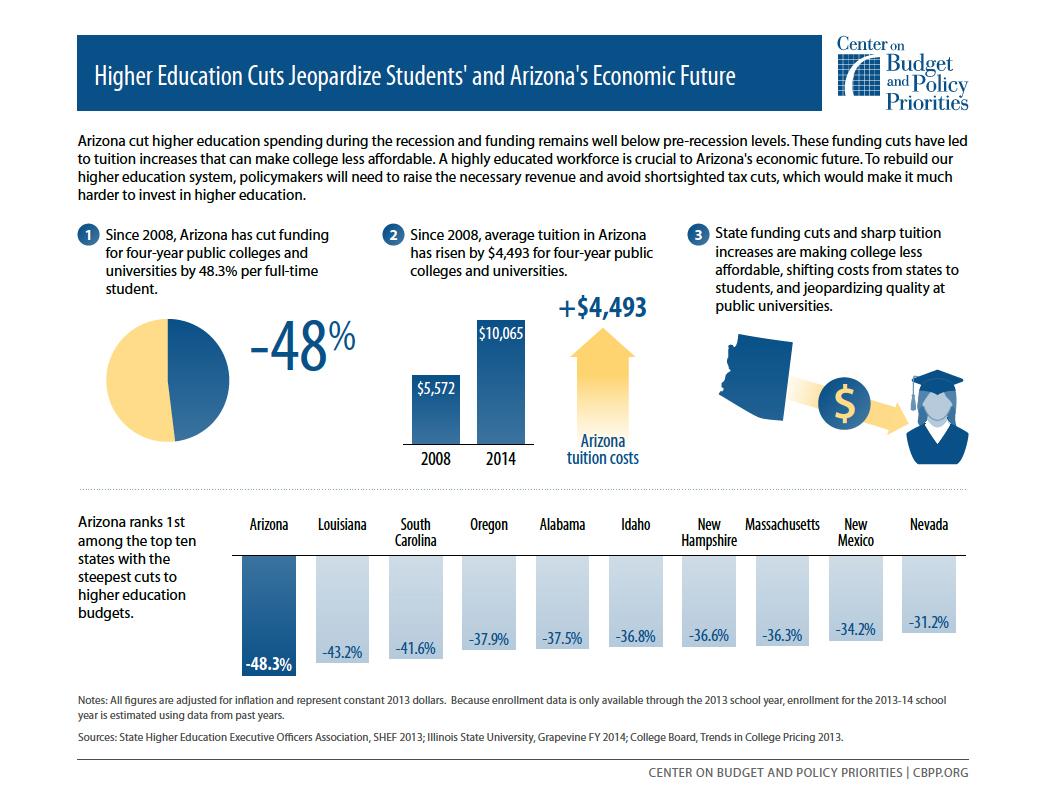
Postscript: For the sake of reducing the number of terms invented, I'm abandoning "legacy economy" and adopting the BEA approved "intangible economy". I recently blogged about the intangible economy.
Monday, March 09, 2015
Robert Putnam Is Wrong About Social Capital
Too much social capital—not too little—is driving a wedge of income inequality between Americans.
Theme: Globalization and income inequality
Subject Article: "The terrible loneliness of growing up poor in Robert Putnam’s America."
Other Links: 1. "Chapter 1 (Thinking about Social Change in America) in Bowling Alone, The Collapse and Revival of American Community."
2. "‘Our Kids,’ by Robert D. Putnam."
3. "Rust Belt Landscapes and Memory."
4. "bowling with strangers: emerging patterns of desegregation foretell a vibrant economy."
Postscript: When a suburban brat leaves home to attend an elite university that lands her a job in a global city, she gains social skills that will make her rich. She learns how to connect with people from different corners of the planet, thus facilitating knowledge exchange with places very different from her hometown cul-de-sac. She thrives in a world low on social capital.
Theme: Globalization and income inequality
Subject Article: "The terrible loneliness of growing up poor in Robert Putnam’s America."
Other Links: 1. "Chapter 1 (Thinking about Social Change in America) in Bowling Alone, The Collapse and Revival of American Community."
2. "‘Our Kids,’ by Robert D. Putnam."
3. "Rust Belt Landscapes and Memory."
4. "bowling with strangers: emerging patterns of desegregation foretell a vibrant economy."
Postscript: When a suburban brat leaves home to attend an elite university that lands her a job in a global city, she gains social skills that will make her rich. She learns how to connect with people from different corners of the planet, thus facilitating knowledge exchange with places very different from her hometown cul-de-sac. She thrives in a world low on social capital.
Wednesday, March 04, 2015
Global London and the Geography of Prosperity
Globalization appears to be tearing apart Britain. Second-tier cities must find their inner London and pull the country back together.
Theme: Globalization and economic development
Subject Article: "Disunited Kingdom: London in a world of its own."
Other Links: 1. "Pay gap between London and rest of UK narrows."
2. "Manchester: UK’s new order? The city’s extraordinary resurgence is the best model for closing the north-south economic divide."
Postscript: For me, globalization is all about the Rust Belt. The typical narrative blames globalization for the decline of manufacturing. The Rust Belt is the Rust Belt because globalization avoided the region. Where you find poverty, you won't find globalization.
Theme: Globalization and economic development
Subject Article: "Disunited Kingdom: London in a world of its own."
Other Links: 1. "Pay gap between London and rest of UK narrows."
2. "Manchester: UK’s new order? The city’s extraordinary resurgence is the best model for closing the north-south economic divide."
Postscript: For me, globalization is all about the Rust Belt. The typical narrative blames globalization for the decline of manufacturing. The Rust Belt is the Rust Belt because globalization avoided the region. Where you find poverty, you won't find globalization.
Monday, March 02, 2015
A Great Migration Can Be Hazardous to Your Health
While migration leads to greater wealth, the destination may shorten your life.
Theme: People develop, not places
Subject Article: "African Americans who fled the South during Great Migration led shorter lives, study finds: Scholars find blacks' health suffered, despite economic benefits of move."
Other Links: 1. "Why aren’t blacks migrating like they used to?"
2. "How Oregon's Second Largest City Vanished in a Day: A 1948 flood washed away the WWII housing project Vanport—but its history still informs Portland's diversity."
3. "Retro Indy: Indiana Avenue."
4. "Will Boston’s crazy snowfalls make people leave? An endless winter has everyone threatening to flee for good. Who might really go—and how it could shift the population."
Postscript: Hinting at my next post, from "The Next Great Migration":
Emphasis added. Such a lack of geographic mobility portends economic exclusion. I see a strong link between African-American poverty and neighborhood isolation. Inbreeding homophily, as observed in immigrant groups, leads to a lack of labor market knowledge. The ultimate result is structural under-employment and chronic inequality.
Theme: People develop, not places
Subject Article: "African Americans who fled the South during Great Migration led shorter lives, study finds: Scholars find blacks' health suffered, despite economic benefits of move."
Other Links: 1. "Why aren’t blacks migrating like they used to?"
2. "How Oregon's Second Largest City Vanished in a Day: A 1948 flood washed away the WWII housing project Vanport—but its history still informs Portland's diversity."
3. "Retro Indy: Indiana Avenue."
4. "Will Boston’s crazy snowfalls make people leave? An endless winter has everyone threatening to flee for good. Who might really go—and how it could shift the population."
Postscript: Hinting at my next post, from "The Next Great Migration":
Certainly not everyone can just pick up and go, nor is expatriation a panacea for all that afflicts black America. But at a time when middle-class blacks remain unemployed at twice the rate of whites, and black college graduates have the same chance of being hired as high school-educated whites, the economic case for staying put is not airtight.
One solution would be to increase applications by black students to foreign undergraduate and graduate programs. Years ago, I worked briefly as a consultant for Sciences-Po, one of Paris’s famed grandes écoles, encouraging American high school students and their parents to pursue an English-language education abroad. Sciences-Po was an attractive offer for anyone — a world-class degree and alumni network for less than $2,500 a year. It should have been particularly appealing to blacks since, as Bloomberg recently reported, blacks rely far more on student loans and are less likely to pay off debts after graduation. Studying abroad would sharply decrease this burden (my alma mater, Georgetown, now costs a staggering $65,000 a year), and also provide an entree into expansive new job — and marriage — markets, too.
Yet it’s a strategy that is severely underused. I don’t think I convinced a single black student to attend Sciences-Po. And even though 15 percent of American postsecondary students are black, we account for only about 5 percent of those who study abroad. This is a shame.
Emphasis added. Such a lack of geographic mobility portends economic exclusion. I see a strong link between African-American poverty and neighborhood isolation. Inbreeding homophily, as observed in immigrant groups, leads to a lack of labor market knowledge. The ultimate result is structural under-employment and chronic inequality.
Friday, February 27, 2015
University as Real Estate Developer
Property value displaces tuition as a revenue stream for higher education.
Theme: Eds and meds economic development
Subject Article: "UC Berkeley studies international education campus in Richmond."
Postscript: Concerning revenue, higher education is enduring trying times. Concerning regional economic development, universities are at the center of a new global economic era. We're not paying enough attention to higher education. But when we do, we are asking the wrong questions. I'll be writing a lot more about these issues in the near future.
Theme: Eds and meds economic development
Subject Article: "UC Berkeley studies international education campus in Richmond."
Postscript: Concerning revenue, higher education is enduring trying times. Concerning regional economic development, universities are at the center of a new global economic era. We're not paying enough attention to higher education. But when we do, we are asking the wrong questions. I'll be writing a lot more about these issues in the near future.
Wednesday, February 25, 2015
Lisbon, the Bangalore of Europe
The call center boom in Lisbon, Portugal, provides another example of how brain drain promotes economic development.
Theme: People develop, not places.
Subject Article: "Lisbon call center boom draws EU 'guest workers.'"
Other Links: 1. "The Great Creative Class Migration."
2. "Brain Drain Is Economic Development."
3. "The Geography of Melancholy."
4. "Imagining Rooted Cosmopolitanism."
5. "Young ‘ex-pats’ worth luring back home, conference attendees told."
Postscript: Just when I think policy is catching up to migration patterns, along comes "NY economic czar nominee says retaining youth is key to Long Island's future":
Stick a fork in New York State if Zemsky becomes the economic development czar. He's not qualified for the position.
Theme: People develop, not places.
Subject Article: "Lisbon call center boom draws EU 'guest workers.'"
Other Links: 1. "The Great Creative Class Migration."
2. "Brain Drain Is Economic Development."
3. "The Geography of Melancholy."
4. "Imagining Rooted Cosmopolitanism."
5. "Young ‘ex-pats’ worth luring back home, conference attendees told."
Postscript: Just when I think policy is catching up to migration patterns, along comes "NY economic czar nominee says retaining youth is key to Long Island's future":
"We're losing young people," Zemsky told about 100 people at a meeting of the Long Island Association business group. "If you lose young people, unless you can change the laws of biology, you have population decline."
Stick a fork in New York State if Zemsky becomes the economic development czar. He's not qualified for the position.
Subscribe to:
Posts (Atom)