Who you are predicts where you will go in the city.
Theme: Geography as a social science
Subject Article: "The Emerging Science of Computational Anthropology: Location-based social networks are allowing scientists to study the way human patterns of behavior change in time and space, a technique that should eventually lead to deeper insights into the nature of society."
Other Links: 1. "Indigenization of Urban Mobility."
Postscripts: Geography is the social science discipline without a home. Geographers steal theory from other disciplines. Other disciplines do geography and call it anthropology or economics or political science. For decades, geopolitics (the dark art of geography) was banned from US universities. It was taboo. Even today, rankings of graduate programs often overlook geography departments. Geography as a form of knowledge production is illegitimate.
Wednesday, March 18, 2015


Friday, March 13, 2015
The Geography of Supply and Demand
Where supply and demand comes from matters.
Theme: Ironic demographics
Subject Article: "Reggie Jackson and the Cost of Health Care."
Other Links: 1. "Mayo Clinic and the teleconference that saves lives."
Postscript: Geography is just one variable characterizing the quality of supply and demand in any market. For example, the labor market in Rochester, New York:
Overall, Rochester's job growth may look anemic. But certain employment can have out-sized economic impact, which typical metrics fail to capture. We are left with a sad tale at odds with reality.
I've been down this road before, using Pittsburgh instead of Rochester. Employers are willing to pay higher wages for unique talent. See the analogy of Reggie Jackson for the high cost of health care. In an era of demographic decline, the quality of demand for labor is more important than the quantity of demand.
Theme: Ironic demographics
Subject Article: "Reggie Jackson and the Cost of Health Care."
Other Links: 1. "Mayo Clinic and the teleconference that saves lives."
Postscript: Geography is just one variable characterizing the quality of supply and demand in any market. For example, the labor market in Rochester, New York:
While the path has been uneven, the Rochester region in fact has added private-sector jobs over the last quarter-century. But this fact says little about the quality of those jobs.
Qualitative assessments, of course, are a matter of interpretation. Not everyone would define a “good job” the same way.
A recent report from the Brookings Institution’s Metropolitan Policy Program, however, provides a solid benchmark for a healthy local economy by examining its advanced industries sector. These industries—characterized by technology research and development and workers with science, technology, engineering and math skills—not only pay more, but also generate more value per worker than those outside this sector.
Overall, Rochester's job growth may look anemic. But certain employment can have out-sized economic impact, which typical metrics fail to capture. We are left with a sad tale at odds with reality.
I've been down this road before, using Pittsburgh instead of Rochester. Employers are willing to pay higher wages for unique talent. See the analogy of Reggie Jackson for the high cost of health care. In an era of demographic decline, the quality of demand for labor is more important than the quantity of demand.
Wednesday, March 11, 2015
The Existential Crisis of the American University
Higher education in the United States rules the world. What's wrong with it?
Theme: Intangible economy
Subject Article: "The Day the Purpose of College Changed: After February 28, 1967, the main reason to go was to get a job."
Other Links: 1. "Modules on Foucault. Ch I: on history."
2. Book review of "Alexander Nehamas, The Art of Living: Socratic Reflections from Plato to Foucault."
3. "Historical Migration of the Young, Single, and College Educated: 1965 to 2000."
4. "Michel Foucault, THE ORDER OF THINGS. An Archeology of the Human Sciences. A translation of Les Mots et les choses (1966)."
5. "AALS Panel on the 50th Anniversary of the 1965 Immigration Act."
6. "NYU Eats World: An alumna laments the rise of an imperial university."
7. "The Management of Universities of Constant or Decreasing Size."
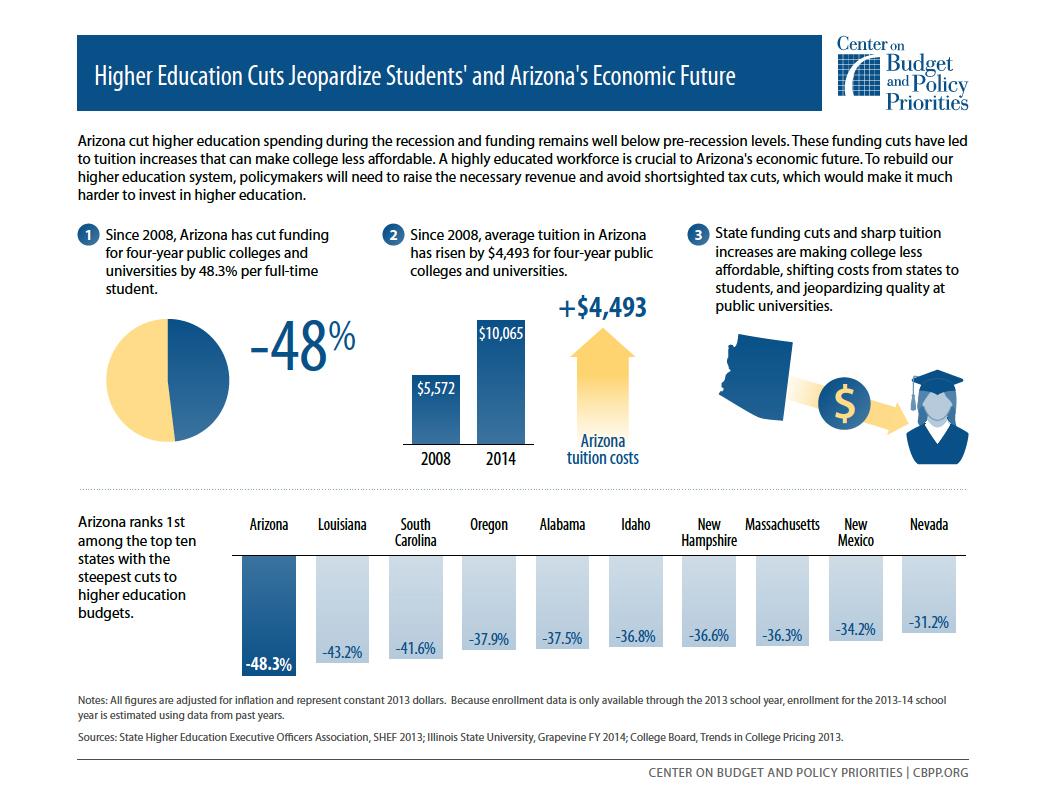
8. "Higher Education Cuts Jeopardize Students' and Arizona's Economic Future."
Postscript: For the sake of reducing the number of terms invented, I'm abandoning "legacy economy" and adopting the BEA approved "intangible economy". I recently blogged about the intangible economy.
Theme: Intangible economy
Subject Article: "The Day the Purpose of College Changed: After February 28, 1967, the main reason to go was to get a job."
Other Links: 1. "Modules on Foucault. Ch I: on history."
2. Book review of "Alexander Nehamas, The Art of Living: Socratic Reflections from Plato to Foucault."
3. "Historical Migration of the Young, Single, and College Educated: 1965 to 2000."
4. "Michel Foucault, THE ORDER OF THINGS. An Archeology of the Human Sciences. A translation of Les Mots et les choses (1966)."
5. "AALS Panel on the 50th Anniversary of the 1965 Immigration Act."
6. "NYU Eats World: An alumna laments the rise of an imperial university."
7. "The Management of Universities of Constant or Decreasing Size."
8. "Higher Education Cuts Jeopardize Students' and Arizona's Economic Future."
Postscript: For the sake of reducing the number of terms invented, I'm abandoning "legacy economy" and adopting the BEA approved "intangible economy". I recently blogged about the intangible economy.
Monday, March 09, 2015
Robert Putnam Is Wrong About Social Capital
Too much social capital—not too little—is driving a wedge of income inequality between Americans.
Theme: Globalization and income inequality
Subject Article: "The terrible loneliness of growing up poor in Robert Putnam’s America."
Other Links: 1. "Chapter 1 (Thinking about Social Change in America) in Bowling Alone, The Collapse and Revival of American Community."
2. "‘Our Kids,’ by Robert D. Putnam."
3. "Rust Belt Landscapes and Memory."
4. "bowling with strangers: emerging patterns of desegregation foretell a vibrant economy."
Postscript: When a suburban brat leaves home to attend an elite university that lands her a job in a global city, she gains social skills that will make her rich. She learns how to connect with people from different corners of the planet, thus facilitating knowledge exchange with places very different from her hometown cul-de-sac. She thrives in a world low on social capital.
Theme: Globalization and income inequality
Subject Article: "The terrible loneliness of growing up poor in Robert Putnam’s America."
Other Links: 1. "Chapter 1 (Thinking about Social Change in America) in Bowling Alone, The Collapse and Revival of American Community."
2. "‘Our Kids,’ by Robert D. Putnam."
3. "Rust Belt Landscapes and Memory."
4. "bowling with strangers: emerging patterns of desegregation foretell a vibrant economy."
Postscript: When a suburban brat leaves home to attend an elite university that lands her a job in a global city, she gains social skills that will make her rich. She learns how to connect with people from different corners of the planet, thus facilitating knowledge exchange with places very different from her hometown cul-de-sac. She thrives in a world low on social capital.
Wednesday, March 04, 2015
Global London and the Geography of Prosperity
Globalization appears to be tearing apart Britain. Second-tier cities must find their inner London and pull the country back together.
Theme: Globalization and economic development
Subject Article: "Disunited Kingdom: London in a world of its own."
Other Links: 1. "Pay gap between London and rest of UK narrows."
2. "Manchester: UK’s new order? The city’s extraordinary resurgence is the best model for closing the north-south economic divide."
Postscript: For me, globalization is all about the Rust Belt. The typical narrative blames globalization for the decline of manufacturing. The Rust Belt is the Rust Belt because globalization avoided the region. Where you find poverty, you won't find globalization.
Theme: Globalization and economic development
Subject Article: "Disunited Kingdom: London in a world of its own."
Other Links: 1. "Pay gap between London and rest of UK narrows."
2. "Manchester: UK’s new order? The city’s extraordinary resurgence is the best model for closing the north-south economic divide."
Postscript: For me, globalization is all about the Rust Belt. The typical narrative blames globalization for the decline of manufacturing. The Rust Belt is the Rust Belt because globalization avoided the region. Where you find poverty, you won't find globalization.
Monday, March 02, 2015
A Great Migration Can Be Hazardous to Your Health
While migration leads to greater wealth, the destination may shorten your life.
Theme: People develop, not places
Subject Article: "African Americans who fled the South during Great Migration led shorter lives, study finds: Scholars find blacks' health suffered, despite economic benefits of move."
Other Links: 1. "Why aren’t blacks migrating like they used to?"
2. "How Oregon's Second Largest City Vanished in a Day: A 1948 flood washed away the WWII housing project Vanport—but its history still informs Portland's diversity."
3. "Retro Indy: Indiana Avenue."
4. "Will Boston’s crazy snowfalls make people leave? An endless winter has everyone threatening to flee for good. Who might really go—and how it could shift the population."
Postscript: Hinting at my next post, from "The Next Great Migration":
Emphasis added. Such a lack of geographic mobility portends economic exclusion. I see a strong link between African-American poverty and neighborhood isolation. Inbreeding homophily, as observed in immigrant groups, leads to a lack of labor market knowledge. The ultimate result is structural under-employment and chronic inequality.
Theme: People develop, not places
Subject Article: "African Americans who fled the South during Great Migration led shorter lives, study finds: Scholars find blacks' health suffered, despite economic benefits of move."
Other Links: 1. "Why aren’t blacks migrating like they used to?"
2. "How Oregon's Second Largest City Vanished in a Day: A 1948 flood washed away the WWII housing project Vanport—but its history still informs Portland's diversity."
3. "Retro Indy: Indiana Avenue."
4. "Will Boston’s crazy snowfalls make people leave? An endless winter has everyone threatening to flee for good. Who might really go—and how it could shift the population."
Postscript: Hinting at my next post, from "The Next Great Migration":
Certainly not everyone can just pick up and go, nor is expatriation a panacea for all that afflicts black America. But at a time when middle-class blacks remain unemployed at twice the rate of whites, and black college graduates have the same chance of being hired as high school-educated whites, the economic case for staying put is not airtight.
One solution would be to increase applications by black students to foreign undergraduate and graduate programs. Years ago, I worked briefly as a consultant for Sciences-Po, one of Paris’s famed grandes écoles, encouraging American high school students and their parents to pursue an English-language education abroad. Sciences-Po was an attractive offer for anyone — a world-class degree and alumni network for less than $2,500 a year. It should have been particularly appealing to blacks since, as Bloomberg recently reported, blacks rely far more on student loans and are less likely to pay off debts after graduation. Studying abroad would sharply decrease this burden (my alma mater, Georgetown, now costs a staggering $65,000 a year), and also provide an entree into expansive new job — and marriage — markets, too.
Yet it’s a strategy that is severely underused. I don’t think I convinced a single black student to attend Sciences-Po. And even though 15 percent of American postsecondary students are black, we account for only about 5 percent of those who study abroad. This is a shame.
Emphasis added. Such a lack of geographic mobility portends economic exclusion. I see a strong link between African-American poverty and neighborhood isolation. Inbreeding homophily, as observed in immigrant groups, leads to a lack of labor market knowledge. The ultimate result is structural under-employment and chronic inequality.
Friday, February 27, 2015
University as Real Estate Developer
Property value displaces tuition as a revenue stream for higher education.
Theme: Eds and meds economic development
Subject Article: "UC Berkeley studies international education campus in Richmond."
Postscript: Concerning revenue, higher education is enduring trying times. Concerning regional economic development, universities are at the center of a new global economic era. We're not paying enough attention to higher education. But when we do, we are asking the wrong questions. I'll be writing a lot more about these issues in the near future.
Theme: Eds and meds economic development
Subject Article: "UC Berkeley studies international education campus in Richmond."
Postscript: Concerning revenue, higher education is enduring trying times. Concerning regional economic development, universities are at the center of a new global economic era. We're not paying enough attention to higher education. But when we do, we are asking the wrong questions. I'll be writing a lot more about these issues in the near future.
Wednesday, February 25, 2015
Lisbon, the Bangalore of Europe
The call center boom in Lisbon, Portugal, provides another example of how brain drain promotes economic development.
Theme: People develop, not places.
Subject Article: "Lisbon call center boom draws EU 'guest workers.'"
Other Links: 1. "The Great Creative Class Migration."
2. "Brain Drain Is Economic Development."
3. "The Geography of Melancholy."
4. "Imagining Rooted Cosmopolitanism."
5. "Young ‘ex-pats’ worth luring back home, conference attendees told."
Postscript: Just when I think policy is catching up to migration patterns, along comes "NY economic czar nominee says retaining youth is key to Long Island's future":
Stick a fork in New York State if Zemsky becomes the economic development czar. He's not qualified for the position.
Theme: People develop, not places.
Subject Article: "Lisbon call center boom draws EU 'guest workers.'"
Other Links: 1. "The Great Creative Class Migration."
2. "Brain Drain Is Economic Development."
3. "The Geography of Melancholy."
4. "Imagining Rooted Cosmopolitanism."
5. "Young ‘ex-pats’ worth luring back home, conference attendees told."
Postscript: Just when I think policy is catching up to migration patterns, along comes "NY economic czar nominee says retaining youth is key to Long Island's future":
"We're losing young people," Zemsky told about 100 people at a meeting of the Long Island Association business group. "If you lose young people, unless you can change the laws of biology, you have population decline."
Stick a fork in New York State if Zemsky becomes the economic development czar. He's not qualified for the position.
Monday, February 23, 2015
The Geography of Divergent Immigrant Fortunes
In Britain, Bangladeshis fare better than Pakistanis. The intensity of inbreeding homophily explains the difference.
Theme: Immigration and economic development
Subject Article: "Breaking out: In Britain, Bangladeshis have overtaken Pakistanis. Credit the poor job market when they arrived and the magical effect of London."
Other Links: 1. "Perception, Policy, and Migration."
2. "Geography of Isolation."
3. "Inbreeding Homophily."
4. "Migrant Networks and the Spread of Misinformation."
Postscript: From "Armenian and Azerbaijani Migrants in Turkey Both Want to Make Money":
I'd be interested to learn if the Armenian migrants are doing better economically than the Azerbaijanis, which may bolster the argument The Economist is advancing (i.e. geography is destiny).
Theme: Immigration and economic development
Subject Article: "Breaking out: In Britain, Bangladeshis have overtaken Pakistanis. Credit the poor job market when they arrived and the magical effect of London."
Other Links: 1. "Perception, Policy, and Migration."
2. "Geography of Isolation."
3. "Inbreeding Homophily."
4. "Migrant Networks and the Spread of Misinformation."
Postscript: From "Armenian and Azerbaijani Migrants in Turkey Both Want to Make Money":
Salomoni has also focused on the plight of Armenian and Azerbaijan migrants in Turkey and his latest paper on the issue is entitled “Just Beyond the Border: Azerbaijani and Armenian Migrants in Turkey.” ...
... One difference is that the bulk of Armenians are located in Istanbul, whereas Azerbaijanis are scattered throughout the country. Of course, there are Armenians in Antalya, Izmir and Ankara, but very few. On the other hand, while there are many Azerbaijanis in Istanbul, there are also many in Izmir and especially Igdir and Kars.
I'd be interested to learn if the Armenian migrants are doing better economically than the Azerbaijanis, which may bolster the argument The Economist is advancing (i.e. geography is destiny).
Friday, February 20, 2015
Silicon Valley Is Already Dead
Waterloo's tech boom went bust, revealing the rise of the intangible economy.
Theme: Economic restructuring
Subject Article: "The Battle of Waterloo: The life, death, and rebirth of BlackBerry’s hometown."
Other Links: 1. "Software Stepping In Where Steel Left Off."
2. "Rust Belt of Silicon Valley: San Jose Is Dying."
3. "The Rise of the Intangible Economy: U.S. GDP Counts R&D, Artistic Creation."
4. "An introduction to the economy of the knowledge society."
Postscript: From "An Introduction to the Economy of the Knowledge Society":
The two main categories of intangible capital aptly describe the two pillars of the legacy economy, eds and meds. In Pittsburgh, the production and dissemination of knowledge underwrites the current economic boom. In Cleveland, the sustaining the physical state of human capital is propelling Northeast Ohio down the same path Pittsburgh has tread. In Boston, the global center of the legacy economy, both categories of intangible capital thrive in world class institutions.
Theme: Economic restructuring
Subject Article: "The Battle of Waterloo: The life, death, and rebirth of BlackBerry’s hometown."
Other Links: 1. "Software Stepping In Where Steel Left Off."
2. "Rust Belt of Silicon Valley: San Jose Is Dying."
3. "The Rise of the Intangible Economy: U.S. GDP Counts R&D, Artistic Creation."
4. "An introduction to the economy of the knowledge society."
Postscript: From "An Introduction to the Economy of the Knowledge Society":
A related characteristic of economic growth, that became increasingly evident from the early twentieth century onwards, is the growing relative importance of intangible capital in total productive wealth, and the rising relative share of GDP attributable to intangible capital (Abramovitz and David, 1996; Abramovitz and David, 2000). Intangible capital largely falls into two main categories: on the one hand, investment geared to the production and dissemination of knowledge (i.e. in training, education, R&D, information and coordination); on the other, investment geared to sustaining the physical state of human capital (health expenditure). In the United States, the current value of the stock of intangible capital(devoted to knowledge creation and human capital) began to outweigh that of tangible capital (physical infrastructure and equipment, inventories, natural resources) at the end of the 1960s.
The two main categories of intangible capital aptly describe the two pillars of the legacy economy, eds and meds. In Pittsburgh, the production and dissemination of knowledge underwrites the current economic boom. In Cleveland, the sustaining the physical state of human capital is propelling Northeast Ohio down the same path Pittsburgh has tread. In Boston, the global center of the legacy economy, both categories of intangible capital thrive in world class institutions.
Wednesday, February 18, 2015
Globalization Giveth and Globalization Taketh Away
French cuisine is dying. Don't blame globalization.
Theme: Globalization and innovation.
Subject Article: "Bitter times for French haute cuisine: Globalisation knocks the home of Michelin off the throne of good food."
Other Links: 1. "New York state plans to spend $28 million to create nanotechnology lab in Salina."
2. "Ross Perot’s 'giant sucking sound” coming from the corporate drain.'"
3. "Gannon University: Engineering and Business."
4. "Gung Ho (1/10) Movie CLIP - Japanese Board Meeting (1986)."
5. "Good News: Globalization Crushing Family Farms."
Postscript: I initially intended to point out how the subject article conflated globalization with migration. But the culinary dominance of Tokyo confounds that narrative. Migrants aren't pouring into Japan and sparking food innovation. The pathways are forged in the other direction, the historic diffusion of Japanese culture via out-migration. In terms of knowledge transfer, migration is a two-way street even if the flow of people is predominantly one-way.
Theme: Globalization and innovation.
Subject Article: "Bitter times for French haute cuisine: Globalisation knocks the home of Michelin off the throne of good food."
Other Links: 1. "New York state plans to spend $28 million to create nanotechnology lab in Salina."
2. "Ross Perot’s 'giant sucking sound” coming from the corporate drain.'"
3. "Gannon University: Engineering and Business."
4. "Gung Ho (1/10) Movie CLIP - Japanese Board Meeting (1986)."
5. "Good News: Globalization Crushing Family Farms."
Postscript: I initially intended to point out how the subject article conflated globalization with migration. But the culinary dominance of Tokyo confounds that narrative. Migrants aren't pouring into Japan and sparking food innovation. The pathways are forged in the other direction, the historic diffusion of Japanese culture via out-migration. In terms of knowledge transfer, migration is a two-way street even if the flow of people is predominantly one-way.
Tuesday, February 17, 2015
Perception, Policy, and Migration
The psychogeographies of immigration misplace efforts to help foreign-born populations.
Theme: Mesofact geography
Subject Article: "As Immigrants Settle Beyond City Limits, Help Is Hard to Find."
Other Links: "LI’s best days are yet to come."
Postscript: I mailed it in after introducing the relationship between the psychogeography of white suburbanites and perceptions of migration. I could write a book filled with different examples. That prospect overwhelmed me and I gave short shrift to the Long Island efforts to retain millennials. I chalk it up as another missed opportunity to push the conversation in a new direction.
Theme: Mesofact geography
Subject Article: "As Immigrants Settle Beyond City Limits, Help Is Hard to Find."
Other Links: "LI’s best days are yet to come."
Postscript: I mailed it in after introducing the relationship between the psychogeography of white suburbanites and perceptions of migration. I could write a book filled with different examples. That prospect overwhelmed me and I gave short shrift to the Long Island efforts to retain millennials. I chalk it up as another missed opportunity to push the conversation in a new direction.
Friday, February 13, 2015
Job Growth Is a Poor Measure of Economic Health
In a global era of demographic decline, the quality of employment trumps the number of jobs.
Theme: Ironic demographics
Subject Article: "Survey: 'Livability' attracts few people to Pittsburgh."
Other Links: 1. "Pittsburgh's Hidden Economic Boom."
2. "Unlike state, Pittsburgh region gains in relocations."
3. "How Local Assets Become Global Assets."
4. "Impact of Migration on the Pittsburgh Workforce."
Postscript: This week, I've been revisiting the idea that real estate markets and labor markets function in similar ways. A major caveat to the models of real estate markets pointing out how regulations bid up prices concerns neighborhood substitutability. If you live in a neighborhood that wouldn't pass muster with someone living in a wealthy enclave, then building more housing for the wealthy won't make your housing cheaper. Likewise, if there is a shortage of software engineers bidding up salaries, then only local labor that is substituable for such jobs counts as supply. A glut of software engineers won't depress wages in other sectors of the labor force.
Theme: Ironic demographics
Subject Article: "Survey: 'Livability' attracts few people to Pittsburgh."
Other Links: 1. "Pittsburgh's Hidden Economic Boom."
2. "Unlike state, Pittsburgh region gains in relocations."
3. "How Local Assets Become Global Assets."
4. "Impact of Migration on the Pittsburgh Workforce."
Postscript: This week, I've been revisiting the idea that real estate markets and labor markets function in similar ways. A major caveat to the models of real estate markets pointing out how regulations bid up prices concerns neighborhood substitutability. If you live in a neighborhood that wouldn't pass muster with someone living in a wealthy enclave, then building more housing for the wealthy won't make your housing cheaper. Likewise, if there is a shortage of software engineers bidding up salaries, then only local labor that is substituable for such jobs counts as supply. A glut of software engineers won't depress wages in other sectors of the labor force.
Wednesday, February 11, 2015
How Local Assets Become Global Assets
Separate a real estate market into two parts: investors and occupiers.
Theme: Globalization and real estate.
Subject Article: "Miami condo-buyers aren't homeowners. They're traders."
Other Links: 1. "Property advisers scale up to challenge dominant global players."
2. "5 intriguing trends to track in the multifamily housing game."
Postscript: Strict zoning can push up land values. So can speculative real estate investment. Yet the former is held up as a major concern, the latter dismissed as a natural feature of a market. Speculative real estate investment is demand that distorts a market just like zoning distorts a market by inhibiting supply. Market urbanism will not make housing more affordable. It will make a bad situation, worse. Such ideological thinking does not deserve a seat at the policy table.
Theme: Globalization and real estate.
Subject Article: "Miami condo-buyers aren't homeowners. They're traders."
Other Links: 1. "Property advisers scale up to challenge dominant global players."
2. "5 intriguing trends to track in the multifamily housing game."
Postscript: Strict zoning can push up land values. So can speculative real estate investment. Yet the former is held up as a major concern, the latter dismissed as a natural feature of a market. Speculative real estate investment is demand that distorts a market just like zoning distorts a market by inhibiting supply. Market urbanism will not make housing more affordable. It will make a bad situation, worse. Such ideological thinking does not deserve a seat at the policy table.
Monday, February 09, 2015
In Big City, New Ideas Aren't as Promiscuous as They Used to Be
Ideas can have just as much sex in the suburbs as in the city.
Theme: Innovation geography
Subject Article: "Cities and Ideas."
Other Links: 1. "No Innovation Without Migration: Do Places Make People?"
2. "The Urban Tech Revolution."
3. "Urban Density and the Rate of Invention."
4. "1965 Immigration and Nationality Act, a.k.a. the Hart-Cellar Act."
5. "Manufacturing Migration: Who Will Move for Low-Skill, Low-Pay Jobs?"
6. "Density Boondoggles: Innovation Districts."
7. "Regional network drives growth of UK’s tech nation."
Postscript: For a companion paper to "Cities and Ideas", see "New Ideas in Invention."
Theme: Innovation geography
Subject Article: "Cities and Ideas."
Other Links: 1. "No Innovation Without Migration: Do Places Make People?"
2. "The Urban Tech Revolution."
3. "Urban Density and the Rate of Invention."
4. "1965 Immigration and Nationality Act, a.k.a. the Hart-Cellar Act."
5. "Manufacturing Migration: Who Will Move for Low-Skill, Low-Pay Jobs?"
6. "Density Boondoggles: Innovation Districts."
7. "Regional network drives growth of UK’s tech nation."
Postscript: For a companion paper to "Cities and Ideas", see "New Ideas in Invention."
Wednesday, February 04, 2015
Wisconsin Governor Scott Walker on Economic Development
Governor Scott Walker's plan to reform public higher education in Wisconsin will undermine state economic development.
Theme: Eds and meds economy
Subject Article: "A New 'Wisconsin Idea' for Higher Education."
Other Links: 1. "Is Scott Walker getting ready to run for president?"
Postscript: Gov. Walker intends to do a lot more than starve higher education of funding. He wants to redefine its mission:
Over the last few months, I've been researching how universities can drive economic restructuring (think Pittsburgh and manufacturing). I learned that talent production (i.e. college graduates) doesn't move the needle on the educational attainment rate of the workforce. What does is R&D expenditures at the university. Furthermore, universities suck at tech transfer. Any success story is certainly the exception, not the rule. Open knowledge production is the cause of Pittsburgh's revitalization. Obviously, Scott Walker doesn't know this. He is poised to screw his own state.
Theme: Eds and meds economy
Subject Article: "A New 'Wisconsin Idea' for Higher Education."
Other Links: 1. "Is Scott Walker getting ready to run for president?"
Postscript: Gov. Walker intends to do a lot more than starve higher education of funding. He wants to redefine its mission:
Walker quietly altered the cherished policy in his budget, striking key parts about outreach to the state, the pursuit of truth and the improvement of the human condition in favor of language that defines the campuses more narrowly as agents of workforce development.
Over the last few months, I've been researching how universities can drive economic restructuring (think Pittsburgh and manufacturing). I learned that talent production (i.e. college graduates) doesn't move the needle on the educational attainment rate of the workforce. What does is R&D expenditures at the university. Furthermore, universities suck at tech transfer. Any success story is certainly the exception, not the rule. Open knowledge production is the cause of Pittsburgh's revitalization. Obviously, Scott Walker doesn't know this. He is poised to screw his own state.
Monday, February 02, 2015
When Leaving Home Is Good for the Hometown
When brain drain isn't economic development.
Theme: Migration and economic development
Subject Article: "Indirect Learning: How Emerging Market Firms Grow in Developed Markets."
Other Links: 1. "Guns, sex and arrogance: I hated everything about America — until I moved here."
2. "Diaspora Networks and the International Migration of Skills: How Countries Can Draw on Their Talent Abroad."
Postscript: People develop, not places. So what? I'm attempting to approach talent migration as an open question. Brain drain isn't bad or good. How can places generate economic development benefits from the inevitable out-migration?
Theme: Migration and economic development
Subject Article: "Indirect Learning: How Emerging Market Firms Grow in Developed Markets."
Other Links: 1. "Guns, sex and arrogance: I hated everything about America — until I moved here."
2. "Diaspora Networks and the International Migration of Skills: How Countries Can Draw on Their Talent Abroad."
Postscript: People develop, not places. So what? I'm attempting to approach talent migration as an open question. Brain drain isn't bad or good. How can places generate economic development benefits from the inevitable out-migration?
Tuesday, January 27, 2015
Vancouver's Wild World of De Facto Density
How zoning distorts the demand for housing at Pacific Standard magazine.
Theme: Gentrification
Subject Article: "Low-Rent Mansion Living? In Vancouver? Really?"
Postscript: "Toronto's shrinking condos: Built for families, perfect for roommates or couples without kids":
I'm tempted to deviate from my game plan and discuss how supply, in this case, was supposed to induce demand. The intended demand would put, perhaps, two incomes in a space that now supports three incomes. Furthermore, the dual income house (if both parents do, indeed, work) is burdened with dependent costs (e.g. child care) that chip away at the money available for mortgage or rent payments. Conventional metrics such as average income and population don't capture the differences in demand for the same urban space. There exists much error (and hot air) in our models of real estate markets.
Theme: Gentrification
Subject Article: "Low-Rent Mansion Living? In Vancouver? Really?"
Postscript: "Toronto's shrinking condos: Built for families, perfect for roommates or couples without kids":
The three-bedroom condominium Krishna KC owns on the 21st floor of 126 Simcoe St. was ostensibly built for a family. When developers tried to build the tower, they agreed to make 10 per cent of units from floors 19 and above three-bedroom ones, a condition applied by the city in order to create new dwellings for families.
Mr. KC, a property investor, bought the unit preconstruction and rents it out – but not to whom the city had in mind. His current tenants are a trio of roommates in their early 20s with jobs in marketing and sales. They’ve turned the condo into a bachelor pad: there are two flat-screen televisions, an Alexander Keith’s chalkboard – the kind pubs use to advertise drink specials – is set up in the kitchen and bottles of gin, vodka and Gatorade are stored on every available surface.
I'm tempted to deviate from my game plan and discuss how supply, in this case, was supposed to induce demand. The intended demand would put, perhaps, two incomes in a space that now supports three incomes. Furthermore, the dual income house (if both parents do, indeed, work) is burdened with dependent costs (e.g. child care) that chip away at the money available for mortgage or rent payments. Conventional metrics such as average income and population don't capture the differences in demand for the same urban space. There exists much error (and hot air) in our models of real estate markets.
Tuesday, January 20, 2015
The Geography of Housing Affordability in Texas
Housing affordability and overstating geographic abstractions at Pacific Standard magazine.
Theme: Geography of ironic demographics
Subject Article: "Take A Look At Very Specific Cost Of Living Maps For Texas."
Other Links: 1. "The Midwest is outpacing the South in creating manufacturing jobs."
2. "Is Life Better in America's Red States?"
3. "Brooklyn And Park Slope Are Getting Less Alike, Not More."
4. "Map: Brooklyn residential price per square foot from 2004-2012."
Postscript: In a world where metro regions are the economic geography of choice, I wouldn't pay attention to conclusions drawn using a US state as the geographic unit of analysis. Bad enough treating a metro as a real estate market monolith. We are just beginning to grasp the real estate premiums associated with access to public transportation. More supply elsewhere in the region won't magically reduce prices for housing in areas with good access to transit. Yet the analysis of the effect of land use regulations is at the scale of metro. In such a light, one can't be so sure that Toronto is a good example of "a city where NIMBYism is kept in check." The debate about housing affordability remains ideological.
Theme: Geography of ironic demographics
Subject Article: "Take A Look At Very Specific Cost Of Living Maps For Texas."
Other Links: 1. "The Midwest is outpacing the South in creating manufacturing jobs."
2. "Is Life Better in America's Red States?"
3. "Brooklyn And Park Slope Are Getting Less Alike, Not More."
4. "Map: Brooklyn residential price per square foot from 2004-2012."

Postscript: In a world where metro regions are the economic geography of choice, I wouldn't pay attention to conclusions drawn using a US state as the geographic unit of analysis. Bad enough treating a metro as a real estate market monolith. We are just beginning to grasp the real estate premiums associated with access to public transportation. More supply elsewhere in the region won't magically reduce prices for housing in areas with good access to transit. Yet the analysis of the effect of land use regulations is at the scale of metro. In such a light, one can't be so sure that Toronto is a good example of "a city where NIMBYism is kept in check." The debate about housing affordability remains ideological.
Wednesday, January 14, 2015
Shrinking City Chicago
At Pacific Standard magazine, Chicago is dying where the population is growing.
Theme: Ironic demography
Subject Article: "Chicago City Trends."
Other Links: 1. "Chicago Is Dying."
2. "Pittsburgh’s Hidden Economic Boom."
3. "How California Bested Texas."
4. "Globalization and Atlanta’s Gated Urban Core."
5. "Multiplier Effects: Connecting the Innovation and Opportunity Agendas."
6. "Globalization: Stiglitz’s Case."
Postscript: From "(Mis)leading Indicators. Why Our Economic Numbers Distort Reality":
Our map of leading demographic indicators is showing signs of age. Population change and net migration tell yesterday's story, not today's or tomorrow's.
Theme: Ironic demography
Subject Article: "Chicago City Trends."
Other Links: 1. "Chicago Is Dying."
2. "Pittsburgh’s Hidden Economic Boom."
3. "How California Bested Texas."
4. "Globalization and Atlanta’s Gated Urban Core."
5. "Multiplier Effects: Connecting the Innovation and Opportunity Agendas."
6. "Globalization: Stiglitz’s Case."
Postscript: From "(Mis)leading Indicators. Why Our Economic Numbers Distort Reality":
Economists and analysts loosely refer to statistics measuring GDP, unemployment, inflation, and trade deficits as “leading indicators” and subscribe to the belief that these figures accurately reflect reality and provide unique insights into the health of an economy. Taken together, leading indicators create a data map that people use to navigate their lives. That map, however, is showing signs of age. Understanding where the map came from should help explain why it has become less reliable than ever before.
Our map of leading demographic indicators is showing signs of age. Population change and net migration tell yesterday's story, not today's or tomorrow's.
Subscribe to:
Posts (Atom)